

6 Herbal Tea Benefits
Herbal tea has been enjoyed for centuries, not only for its soothing taste but also for its potential health benefits. Unlike traditional tea, herbal infusions are naturally caffeine-free and made from a variety of dried flowers, herbs, spices, and fruits. Each blend offers unique properties that can contribute to overall well-being.
Popular varieties include hibiscus, known for its vibrant colour and refreshing tartness; chamomile, widely consumed for its calming effects; ginger tea, appreciated for its warming and digestive properties; peppermint, valued for its invigorating freshness; rooibos, a naturally sweet and antioxidant-rich option; and liquorice, prized for its naturally soothing and sweet flavour.
Benefits of Drinking Herbal Tea
Herbal teas are widely consumed for their potential wellness benefits such as:
-
Helping relax
-
Supporting digestion
-
Staying hydrated
-
Supporting immune health
-
Promoting better sleep
-
Providing a natural energy boost
Choosing loose leaf (whole flowers or whole fruit pieces…) herbal tea ensures a richer flavour and a more authentic experience, as whole ingredients retain their essential oils and nutrients better than tea bags.
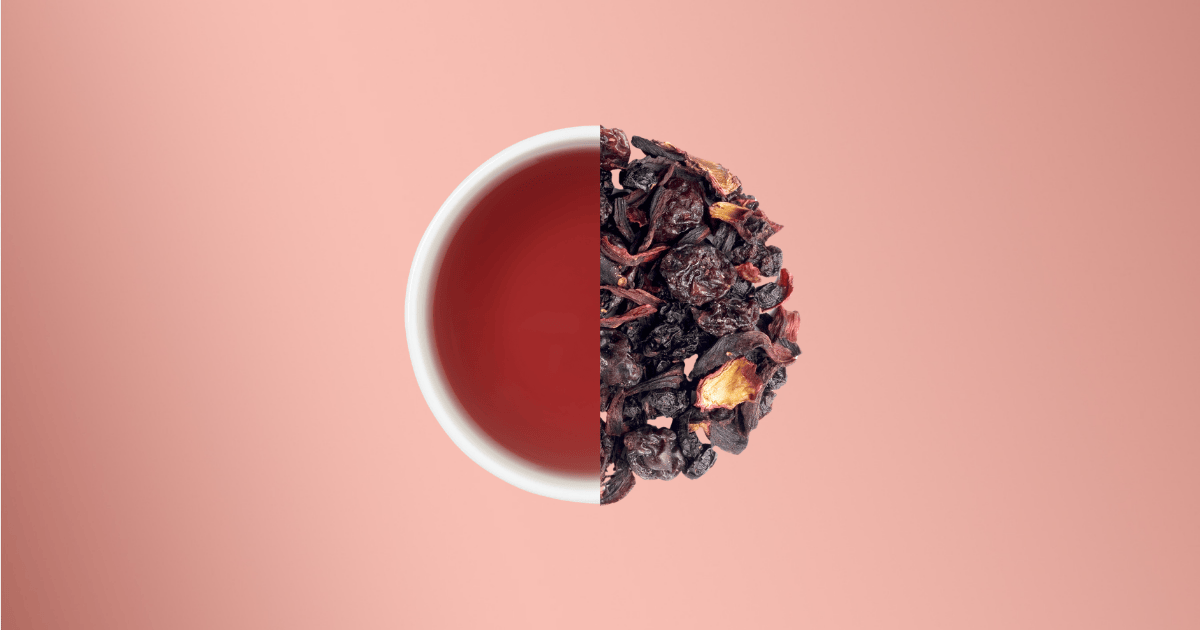

Hibiscus Tea Benefits
Hibiscus tea is known for its vibrant red colour and tart, cranberry-like flavour. Rich in antioxidants, this herbal tea is commonly associated with heart health and overall vitality. It is also a refreshing, caffeine-free option that can be enjoyed hot or cold.
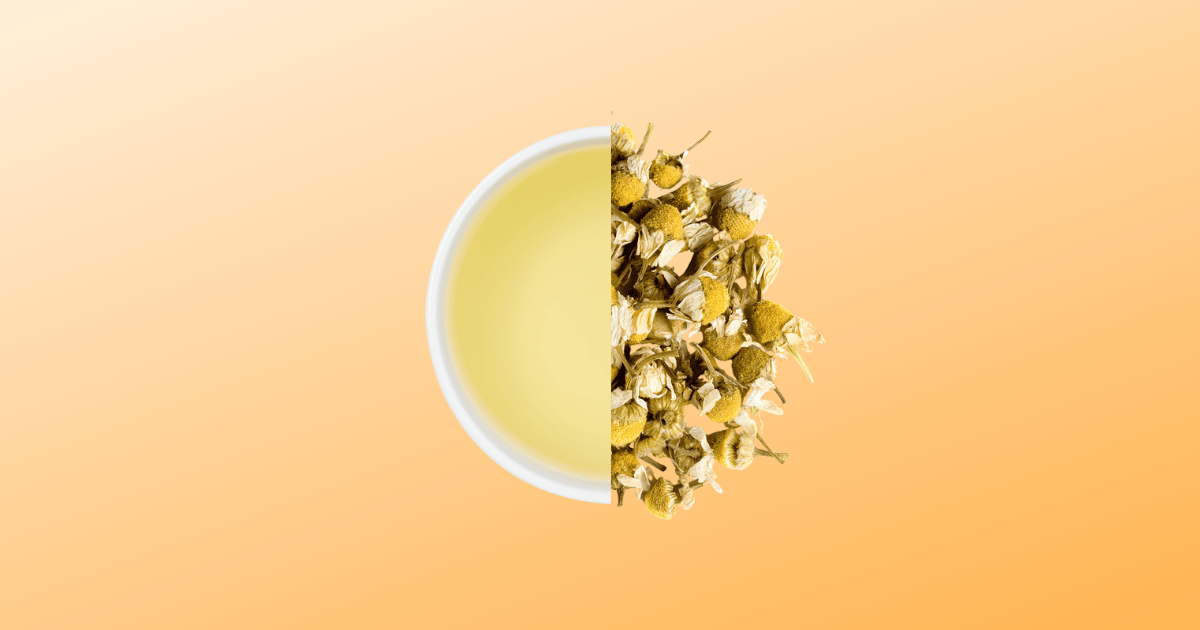

Advantages of Drinking Chamomile Tea
Chamomile tea is one of the most well-known herbal teas for relaxation. Often consumed before bedtime, it is traditionally used to promote restful sleep. Additionally, chamomile tea is gentle on the stomach, making it a suitable choice for those looking to unwind after a meal. For women, Chamomile is known for its calming properties, chamomile tea may help ease anxiety, reduce muscle spasms, and improve sleep quality. It's also used to alleviate PMS symptoms and other menstrual disorders.
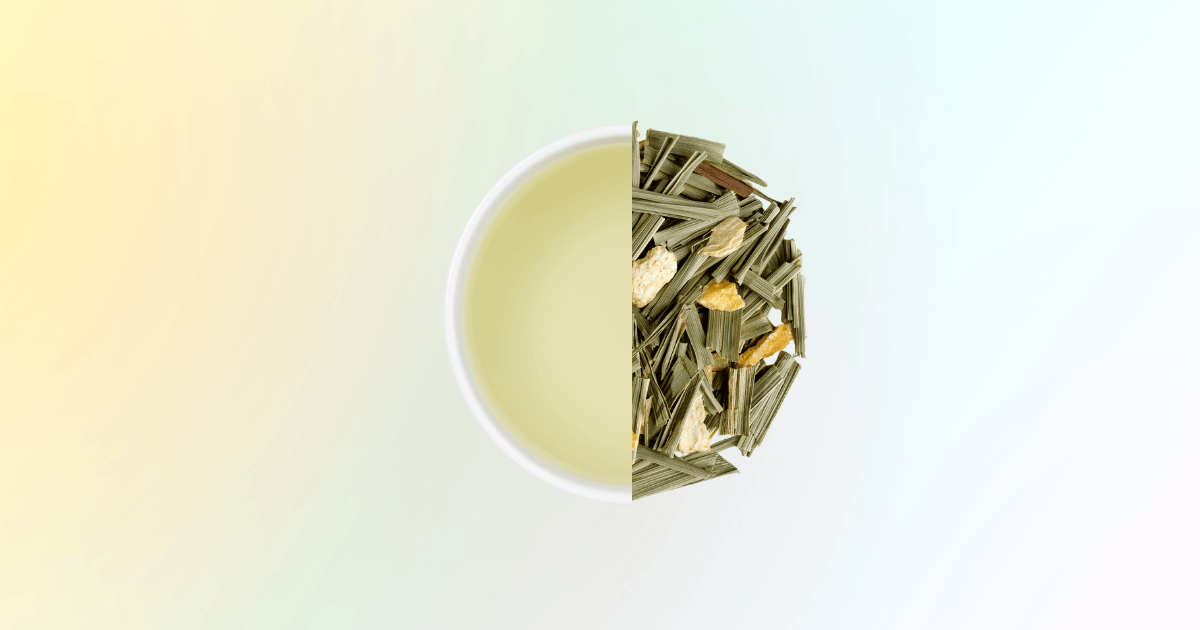

Ginger Tea Benefits
Ginger tea is widely recognised for its warming and invigorating properties. Commonly used to support digestion, this spicy infusion is a popular choice for those looking to maintain gut health. Ginger tea is often paired with lemon and honey for an added soothing effect, particularly during colder months.
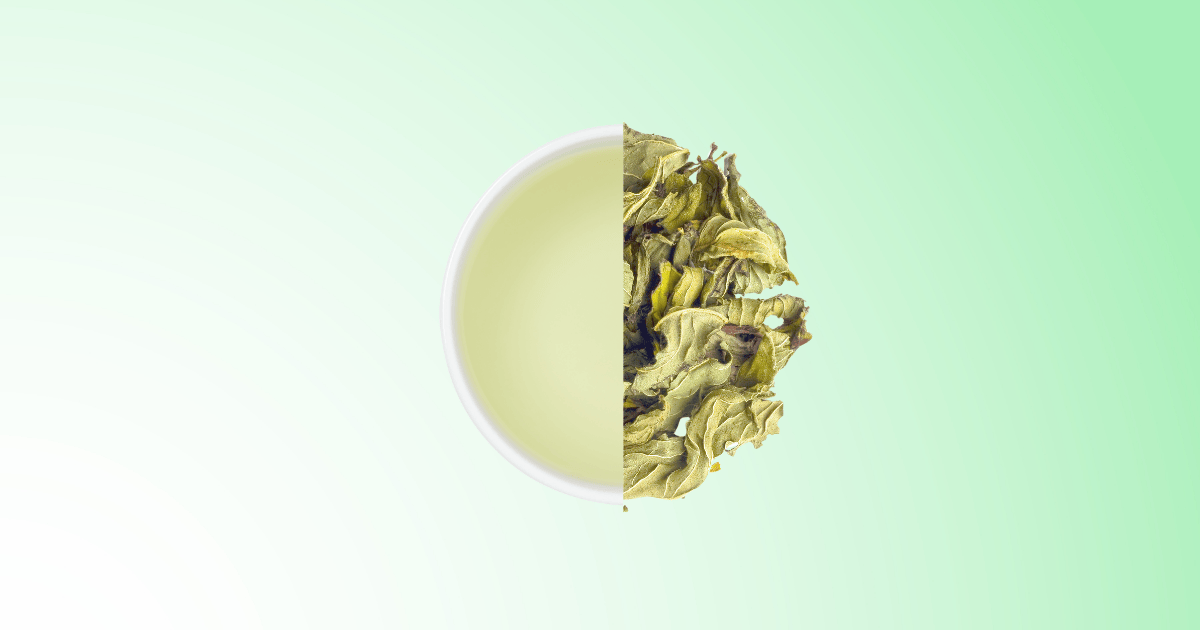

Advantages of Drinking Peppermint Tea
Peppermint tea is appreciated for its naturally refreshing taste and cooling sensation. It is often consumed after meals as a digestive aid and is also known for its ability to freshen breath. The invigorating aroma and flavour of peppermint tea make it a popular choice for those seeking a revitalising caffeine-free beverage.
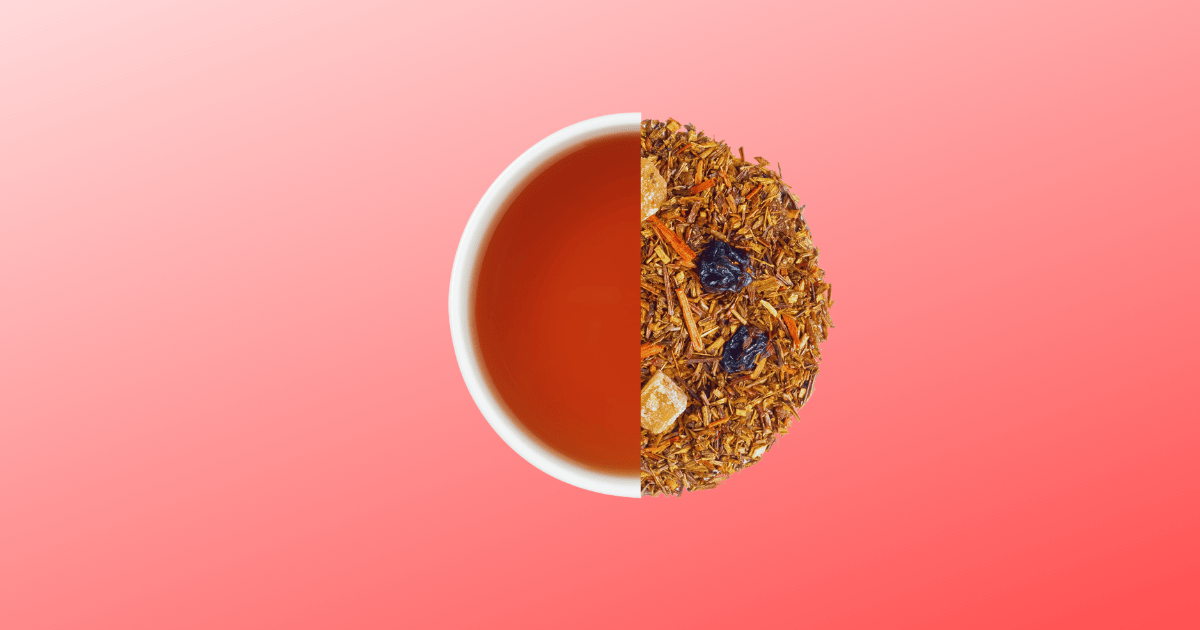

Benefits of Drinking Rooibos
Rooibos, or ‘red bush tea’, originates from South Africa and is naturally caffeine-free. This herbal infusion is rich in antioxidants and has a naturally sweet, earthy flavour. Rooibos tea is an excellent choice for individuals looking to reduce their caffeine intake while still enjoying a full-bodied and flavourful drink.
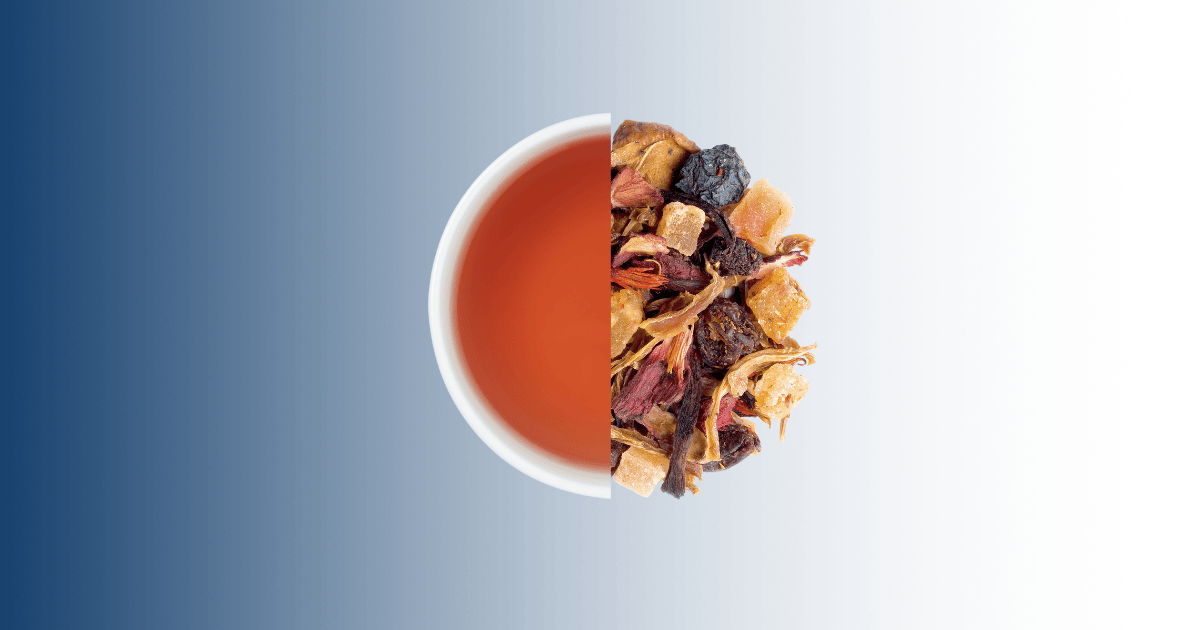

Benefit of Liquorice Tea
Liquorice tea is naturally sweet and has a distinct, rich flavour. Traditionally used for its soothing properties, it is a popular choice for those looking to support their throat and overall wellness. Due to its natural sweetness, liquorice tea can be enjoyed without the need for added sugar.
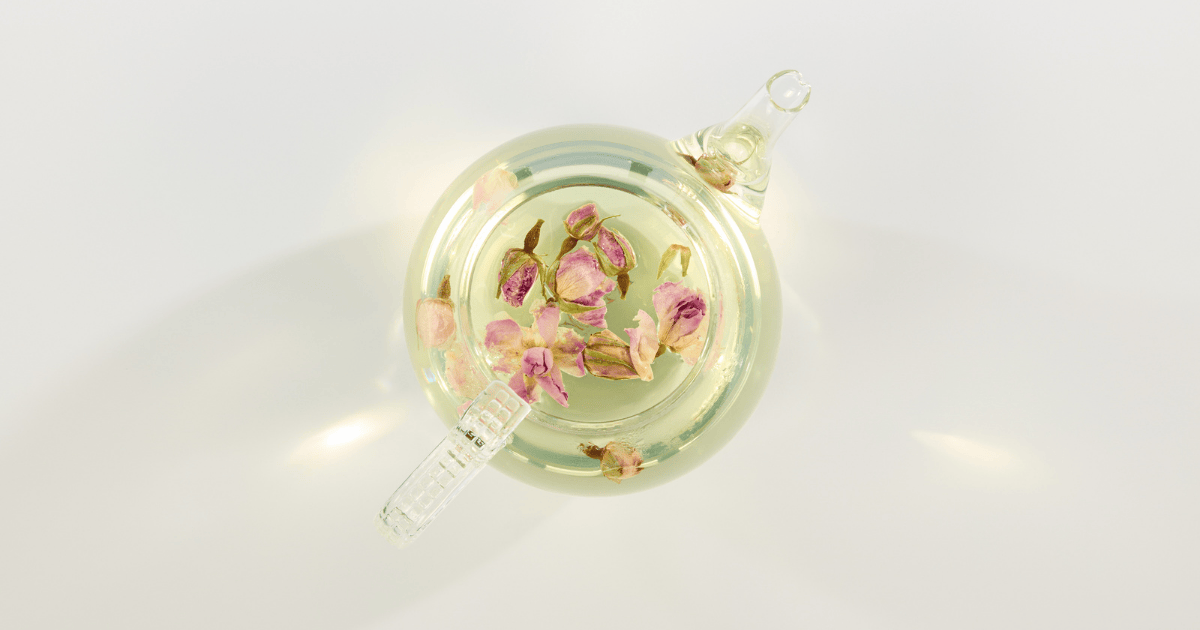

The Role of Herbal Tea in a Healthy Lifestyle
There are many herbal teas and their benefits to explore, each offering a unique combination of taste and wellness properties. Whether you are looking for an herbal tea for the immune system, an herbal tea for weight loss, or simply a comforting beverage, loose leaf herbal tea provides an authentic and enriching experience. By incorporating herbal teas into a daily routine, individuals can enjoy both the sensory pleasure and their potential wellness advantages.
While herbal teas can be a wonderful addition to a balanced lifestyle, it is important to remember that they should complement, rather than replace, a healthy diet. If you have any health conditions or are taking medication, consulting a doctor before incorporating herbal teas into your routine is advisable. Enjoyed mindfully, herbal teas can be a valuable part of overall well-being.
FAQs
Do Herbal Teas Contain Caffeine?
Herbal teas are naturally caffeine-free as they are made from a variety of herbs, flowers, fruits, and spices rather than the Camellia Sinensis plant, which is used to produce traditional teas like black and green tea. This makes herbal tea an excellent choice for those looking to avoid caffeine while still enjoying a flavourful and aromatic beverage. However, some blends may include caffeinated ingredients, so it is always best to check the label if you are looking for a completely caffeine-free option.
What Is the Best Herbal Tea for Sleep?
Chamomile tea is widely regarded as one of the best herbal teas for promoting restful sleep. Known for its naturally calming properties, it has been traditionally used to support relaxation before bedtime. Other popular sleep-friendly herbal teas include valerian root, lavender, and lemon balm, all of which are often enjoyed in the evening as part of a soothing nighttime routine.
Which Herbal Tea Has the Most Health Benefits?
Rooibos tea is often praised for its high antioxidant content, while ginger tea is known for supporting digestion. Hibiscus tea is rich in natural compounds associated with heart health, and peppermint tea is widely consumed for its refreshing and soothing qualities. Each herbal tea offers unique benefits, making it worthwhile to explore different varieties based on individual wellness goals.
Should I Drink Herbal Tea in the Morning or at Night?
Herbal tea is naturally caffeine-free, making it a great choice for evening relaxation. However, it can be enjoyed at any time of the day, depending on the blend and personal preference. Lighter, invigorating teas like peppermint, ginger, or hibiscus are ideal for the morning, while calming options such as chamomile, rooibos, or valerian root are better suited for winding down at night. Whether starting the day with an energising cup or ending it with a soothing blend, herbal tea offers a comforting and beneficial ritual.


LEAVE A COMMENT